

 RSS
RSS
|
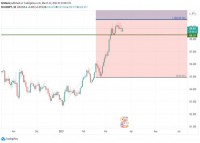
Opalesque Industry Update - For years, investors have suspected they aren't getting the alpha they are paying for from long/short hedge funds. The underperformance might be even worse than they feared. Not only are they not capturing alpha, but investors aren't even getting all the beta they should receive from long/short. The lost decade For many years, hedge fund managers had been capturing most of the risk premia available from long/short equity. There were fewer hedge funds, lower industry AUM and arguably a higher concentration of quality talent. As seen in the chart below, during this time the HRFX index (HFRX EH), which tracks active manager's performance, and the BRI Long/Short Equity Index (BRILSE), which delivers the performance of the beta of long/short equity, were very correlated.
But when the financial crisis hit, active managers began reducing net exposure to protect against a shaken financial system and the viability of their individual businesses. That's when the performance of active managers and the beta the strategy produced started to diverge. Years of quantitative easing and central bank intervention were met with continued skepticism while the stock market compounded at over 18% per year. As the "smart money" of active hedge funds continued to remain wary about the rallying stock market, the difference between what the strategy was giving and what investors received started to widen. From January 2009 through February 2017, hedge funds (HFRX EH) were up a cumulative 17.5%, while the beta of long/short (BRILSE) was up 148.1%. Trump rally pushes performance from bad to worse Trump is clearly a controversial president and there is little consensus that he will be able to deliver on his campaign promises. This kind of uncertainty usually leads to lower stock prices - but the promise of future tax cuts, less regulation and more spending drove the stock market to record levels. The trend of underperformance has continued during this latest Trump stock market rally. Since the month of Trump's election through February the market is up over 11%, while long/short managers (HFRX EH) have continued to underperform the beta of long/short (BRILSE) by 550 bps. The probable contributors to this beta destruction by active hedge funds, described as negative alpha, are a lack of belief in the rally and the business risk due to years of underperformance. Long/short hedge funds are under significant business risk after years of underperformance. They can simply not afford to be caught in the next stock market sell-off after almost a decade of laggard performance. Investors, who according to eVestment's Hedge Fund Industry Asset Flow Report redeemed more than $24 billion from long/short hedge funds in 2016, are likely to have little tolerance for managers that lose money. This is putting pressure on them to keep net exposure low and even hoping the market suffers a correction. Otherwise the underperformance is likely to continue. The best way forward If active long/short managers remain skeptical and continue low net exposure, it leaves them at significant risk if the Trump rally continues or if the overall market continues to reach for records highs. In fact, the best hope for managers to demonstrate value would be during a sharpmarket sell-off that allows long/short equity to stay at the very least flat while the market takes a dive. Otherwise, the lost decade in long/short might span a lot longer than 10 years. |
Industry Updates
Other Voices: The lost decade for long/short hedge funds
Thursday, April 13, 2017
|
|