|
|
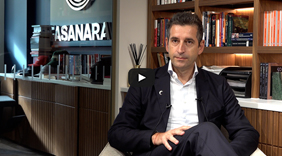
By Sean Peche, Portfolio Manager at UK-based Ranmore Fund Management:
The late Sir John Templeton was labelled by Money Magazine in 1999 as "arguably the greatest global stock picker of the century". For good reason. Had you invested $10,000 in his fund at launch in 1954, you would have amassed over $2m by the time he sold to Franklin Resources in 1992 (15% p/a). By comparison, that $10,000 "only" grew to $100,000 invested in the S&P 500 (6% p/a). His formula was simple - buy a globally diversified portfolio of low-priced, out-of-favour companies.
One of his favourite maxims was to "Buy at the point of maximum pessimism and Sell at the point of maximum optimism". This approach makes sense because at these extremes, you're very likely to be buying below intrinsic value and selling above intrinsic value - the objective of most great investors. The problem is that most people find this very difficult to do. And that's because these periods of "maximum optimism" or "maximum pessimism" often continue for longer than expected.
If you buy too early or sell too early, you risk looking foolish and no one wants to risk that, least of all highly paid portfolio managers! That's why most people buy what is popular. Unfortunately, this means paying a higher price, which usually means lower returns over the long term. Despite investors often being aware they aren't getting value when buying what's popular, they do so hoping they'll spot the time when the "trend is no ...................... To view our full article Click here
|
|