|

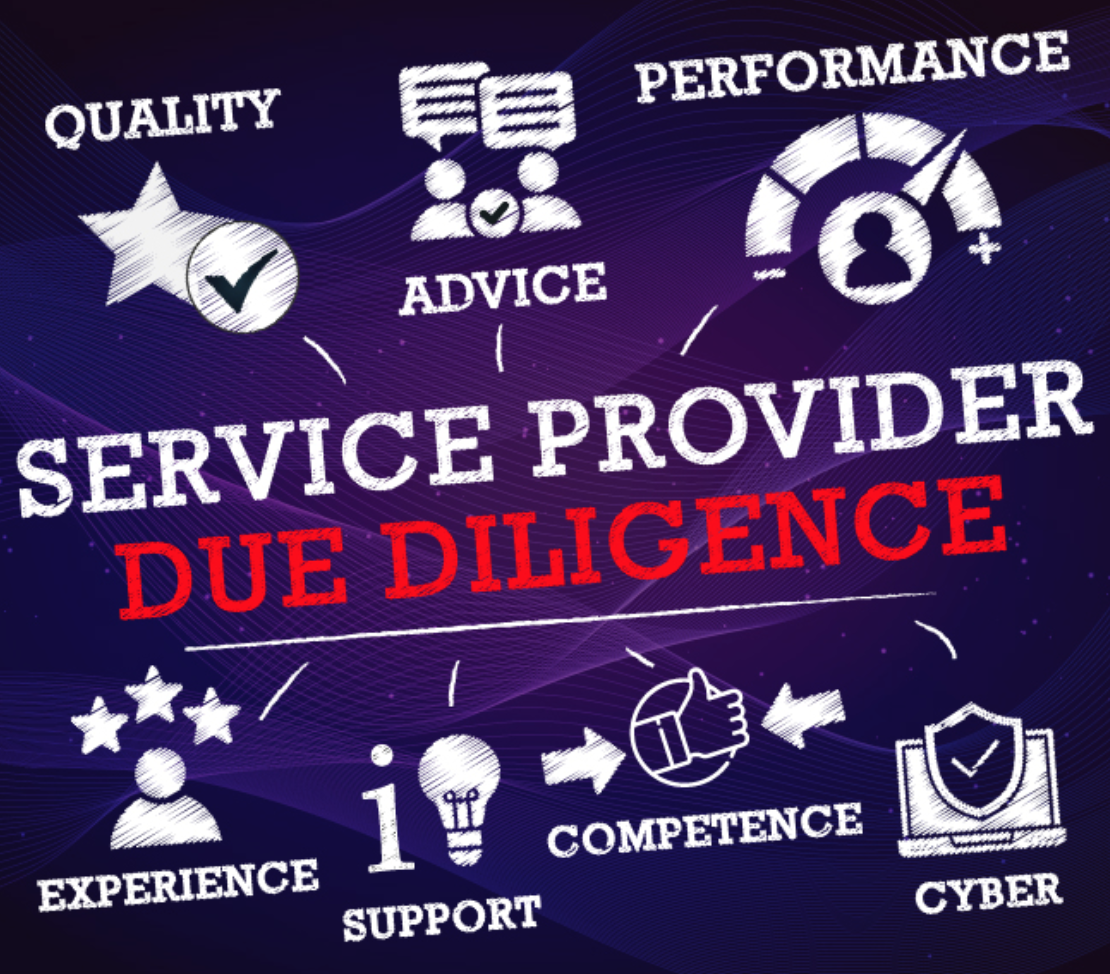
B. G., Opalesque Geneva: The U.S. Securities and Exchange Commission (SEC) proposed a new rule in October 2022 to prohibit registered investment advisers (RIAs) from outsourcing certain services and functions without conducting due diligence on the service providers first and monitoring them thereafter. This rule aims to hold those using service providers wholly accountable.
"Registered investment advisers - more than 15,000 of them in total - play a critical role in our economy, advising more than 60 million accounts with combined assets under management of over $100 trillion," said SEC Chair Gary Gensler then. "Though investment advisers have used third-party service providers for decades, their increasing use has led staff to make several recommendations to ensure advisers that use them continue to meet their obligations to the investing public."
Chris Addy, founder and CEO of Castle Hall, a large firm specialising in due diligence reporting, has been keeping watch on the developments of this new rule. He talks to Opalesque about some of its implications before his webinar on December 12th (details below).
Opalesque: When do you expect anything to happen?
Chris Addy: It depends on the SEC's priorities and overall workload. We are waiting for two important rules; this one and the cybersecurity rule.
At this point, the subcontracting rule is likely to be passed in Q1. Though the SEC don't confirm their agenda.
Opalesque: This new rule has laid dormant for a while and now it is back on the table, although we don't yet know the exact amendments.
Chris Addy: Exactly. The rule is catching the world of RIAs up with other areas of the financial services industry in the U.S. and globally. Indeed, asset managers and RIAs are almost one of the final areas of financial services to explicitly face and be required to be compliant with rulemaking and outsourcing.
Please note, when we're talking about service providers, we mean subcontractors.
Opalesque: Where did the rule originate?
Chris Addy: IOSCO published in October 2021 principles on outsourcing. This is the global framework for any participant in the financial services industry when they outsource material activities to an external third party. And then the Interagency Guidelines issued this year a final guidance on managing risks associated with third-party relationships. That applies to the US banking industry. There are also rules in Europe, Australia, and the UK. This is a global regulatory initiative ultimately led by IOSCO. It is our bridge.
Opalesque: What are the challenges entailed by the rule?
Chris Addy: The challenge for asset managers will be the breadth of due diligence that's required. It is going to be time-consuming and highly duplicative for every registered investment advisor to attempt to complete their own independent and autonomous due diligence.
We are going to need to have some sort of standardisation and central information and research sources.
Some of the third parties mentioned in the first few pages of the SEC guidance include investment research providers, data analytics, training platforms, risk management, compliance, collateral management, settlements, pricing and valuation, and performance measurement. So there is a very broad set of actions and operational mechanisms that can be outsourced, be it part of the investment decision-making process, investment research, investment execution, or part of the operational back office side, which could be accounting, trade settlement, valuation, and business management functions such as compliance and technology.
There is going to be very substantial duplication in both initial due diligence and ongoing due diligence, whether on administrators or technology providers - which could include Amazon and Microsoft.
It also targets third and fourth-level providers; the subcontractors that your subcontractors use.
This ultimately is about supply chain risk management and vendor risk management.
Opalesque: So whatever you do or don't do, you are entirely responsible.
Chris Addy: The broad principle is if you are managing client money and you choose to outsource to a subcontractor, you are still responsible for the selection of that contract. And you have to have a reasonable belief that that subcontractor can perform the services. Moreover, you have a contingency plan if it turns out that they can't. That is entirely reasonable.
There has been a lot of discussion with asset managers saying the core purpose of their business is asset management, not handling the mundane necessities of the back office. The latter is not their core competency. But this rule essentially says, you are still responsible. You still have to exercise oversight and be able to intervene immediately with a replacement should service quality decline or there be a critical event such as a cybersecurity problem.
Next webinar:
INVESTOR WORKSHOP: Service Provider Due Diligence: The Next ODD Challenge
When: Tuesday, December 12th at 11 am ET
With: Chris Addy, CFA, FCA, President & CEO of Castle Hall

Moderator: Matthias Knab, Founder, Opalesque
Free registration here: www.opalesque.com/webinar/
|





 RSS
RSS