|

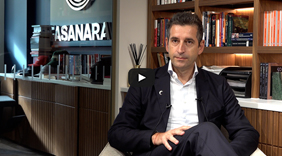
B. G., Opalesque Geneva for New Managers: Bevan Duncan, COO at Mintus, a London-based online art investment platform that offers a new way to buy shares and invest in lavish contemporary art, explains in a recent Opalesque TV interview how his firm helps investors overcome the barriers to entry for successful art investments.
Historically access to the art market has been limited to ultra-high-net-worth individuals and a small handful of institutions that have extensive experience in investing in art, he says. This is because there are a number of structural barriers to investing in the art market.
The first one is simply the ticket size. Mintus targets "investment quality" art, where each piece can cost anything between $1.5m to $20m.
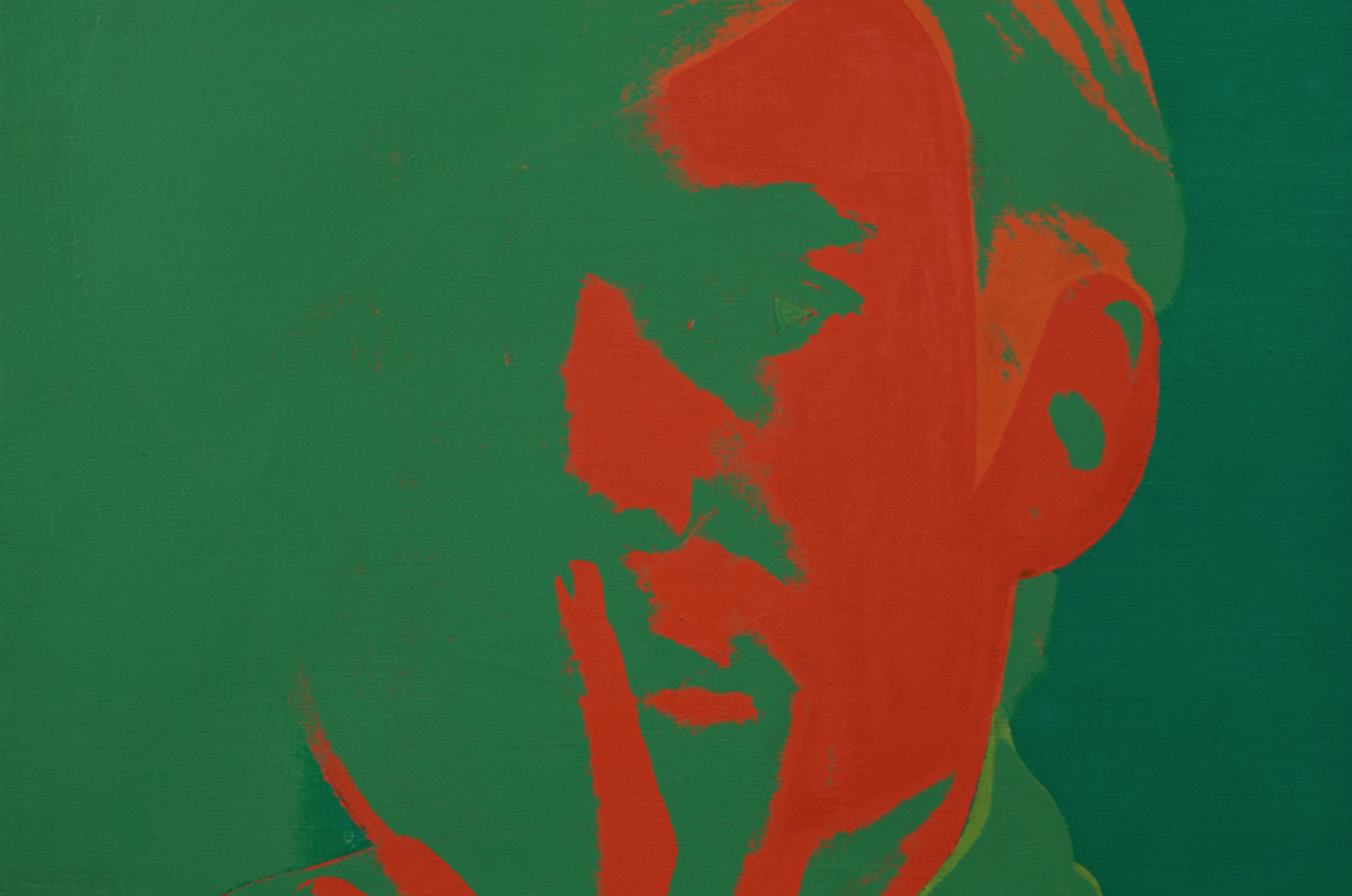
Then, there is accessibility. This type of art is scarce. There are, for example, only so many Warhols, Picassos and Hockneys. "You can't just walk into a gallery and procure one of these. And if you did walk into a gallery, you'd probably be put onto a long waiting list."
On top of that, there might be strings attached to some acquisitions: you might not be able to sell them within a certain period of time, or you may be asked to buy another piece of art to donate to an exhibition or a museum as a condition.
Furthermore, buying art for investment purposes implies a different kind of process than buying it as a collector.
Then you have the fees. If you buy art from a gallery or at an auction, you may pay fees anywhere between 20 and 50%.
The final structural barrier is the storing and insuring of the art, a costly affair.
"Mintus has built a platform with the art expertise and strategic relationships that remove these structural barriers and make art an investable asset class," he says.
Before joining Mintus, Duncan, a chartered accountant, was the managing director of the Strategic Equity division at Gresham House, a specialist alternative asset manager in London.
The three pillars
Mintus is built on three foundational pillars, he says.
The first is trust: the business spent more than a year getting its UK FCA authorisation and is now the only authorised art investment platform in Europe.
The pillar also stands for transparency: transparency about the purchases, the fee model, the valuation reports, and the team.
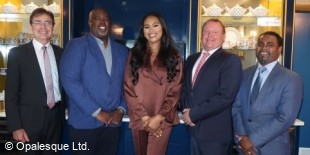
The team includes, among others, chairman Maarten Slendebroek who was CEO of Jupiter Fund Management; founder and CEO Tamer Ozmen, who used to run Microsoft's advanced solutions team; Brett Gorvy, chief curator, who was Christie's' worldwide chairman; and CFO Vedat Mizrahi, an ex-investment banker with a PhD in finance. The board members include Chris Kaladeen, who heads Rothschild & Co's insurance and asset management investment banking business and Janet Goldsmith, a former managing director of Universal Studio's Digital.
The second pillar is its technology platform, which is blockchain-enabled and allows the firm to issue any number of shares. "It's very scalable and well invested," he adds.
The third pillar is the art supply and selection process: through its relationships with institutions, galleries, artists or individuals, Mintus has access to more than $12bn worth of artwork. The firm is looking to bring $150m of artwork onto the platform this year. All this, he adds, will go through a very rigorous selection approach, and will be handled in a private equity investment process adapted to the art market.
A private equity investment process because the team at Mintus includes experienced private equity investors and investment bankers.
The process, besides being extremely data-driven, leverages independent art experts and independent valuation houses, and the overall screening process is extremely thorough.
"We've got a very structured methodical investment process which then comes together in a detailed investment committee paper," Duncan explains, "which is then reviewed by our art investment committee - which is chaired by Brett Gorvy."
How investors can dip their toe into art as an asset class
Qualifying retail investors can access art on the Mintus platform on Mintus.com. The minimum investment in a fraction of an individual painting is $3,000.
"So we are really looking to democratise the asset class and open that up to qualifying investors," Duncan says. "They can obviously increase their allocation to alternatives through art specifically."
There's been a lot of research published recently which shows that private wealth individuals or private wealth managers are under-allocated to alternatives - but over time, that may trend up. "So having a low minimum is a great way to allow investors to dip their toe into art as an asset class and build their position in different paintings over time."
Alternatively, he adds, UHNWIs and institutions can access a diversified portfolio of art on Mintus' platform through two fund structures that were launched recently, both with a minimum investment requirement of $100,000. The first is a $60m AMC (Actively Managed Certificate), Luxembourg-based, listed on the Vienna Stock Exchange, in which investors can invest through ICE. The second is a $150m Cayman feeder fund product.
Part 1 of the article is here.
You can watch the full interview here.
Upcoming Webinar
INVESTOR WORKSHOP: art as an alternative asset class
Led by a stellar key team of global art leaders such as the former Worldwide Chairman of Christie's, as well as investment and tech experts, Mintus is the first UK-regulated investment platform democratising access to art as an alternative asset through fractionalisation. The firm is also registered with the US Securities and Exchange Commission.
Speakers:
Bevan Duncan, COO, Mintus
Vedat Mizrahi PhD, CFO, Mintus
When: Wednesday, April 26th at 11 am ET
Free registration: www.opalesque.com/webinar/
|




 RSS
RSS