|

B. G., Opalesque Geneva: Over the 12 months of 2022, the S&P 500 lost 19% of its value while crypto-currencies entered a bear market. But the global art auction market had a prosperous year, one of the best in its history. Artprice, which is run by Artmarket, a supplier of information on the art market, attributes this good performance primarily to the successes achieved by American auction houses which made record sales in the painting medium but also in photography and tapestry. There were especially strong results in France, Germany, and Hong Kong.
Among the art market's principal trends in 2022, Artprice noted the more intense competition for masterpieces from the most prestigious collections, which included the Hubert de Givenchy, Thomas Ammann, Yusaku Maezawa, and the Paul G. Allen collections. The year's results also showed a continuing voracious appetite for works by very young artists (ultra-contemporary art).
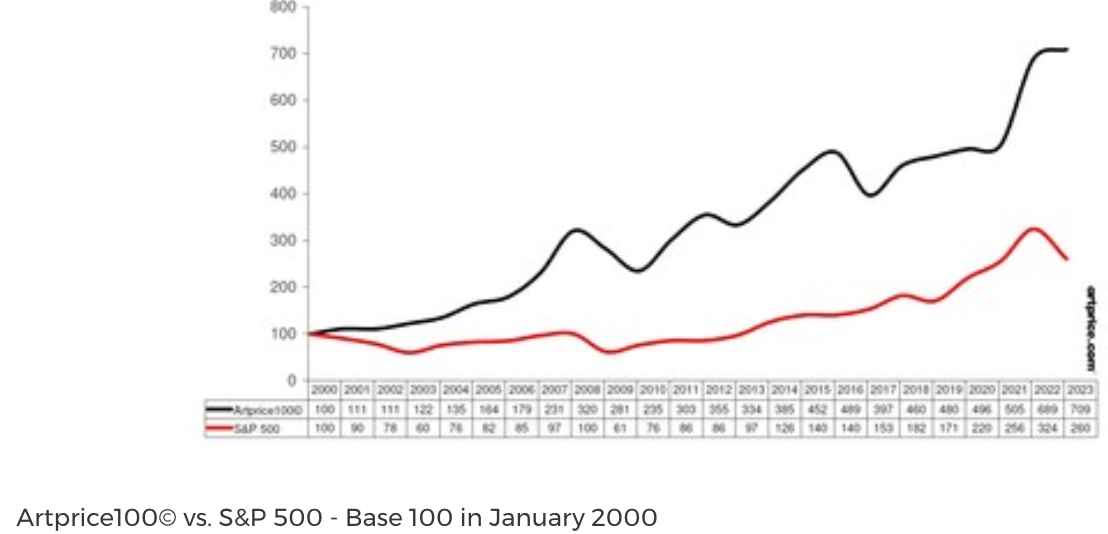
The company's Artprice100 index, an index of the top 100 artists at auction (composition), was up 3% in 2022. It outperformed the S&P 500 by 363% from 2000 to 2022. The Global Artprice Index on the other hand was down 18%.
Source
"In financial terms, investing in art masterpieces has never been so costly, with auction prices nowadays often reaching eight or nine figures in US dollars. But, at the same time, thanks to joint ownership solutions, it has never been so easy", says Thierry Ehrmann, CEO of Artmarket.com and founder of Artprice.
Joint ownership solutions
Mintus is a new actor in the joint ownership solutions trend. Founded in 2019, it is the first investment platform democratising access to art as an alternative asset through fractionalisation.
According to Bevan Duncan, COO, Mintus is the first Europe-based, regulated investment platform allowing you to own a share of multi-million dollar artwork from artists such as Andy Warhol and George Condo, starting at $3,000 only.
The global value of the art market is estimated at $1.7tln and there are $65bn' worth of transactions each year, he says. Whereas the global value of the private equity market is estimated at about half a trillion dollars. The global art market is growing at about 5% to 8% each year, and long-term investment returns have been very strong.
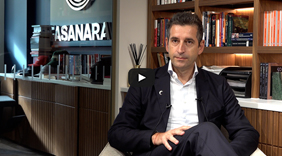
There have been a number of reports commissioned over the past few years, including by Citi and UBS, recommending that asset allocators consider putting 3 to 10%, depending on the rest of the mix of the portfolio, into contemporary fine art to improve diversification and improve overall risk-adjusted returns, he says during a recent Opalesque TV interview.
Art deserves a place within illiquid asset holdings
Looking at over 100 years of data, art has underperformed equities but outperformed bonds, according to the Citi Global Art Market 2015 report, which also notes that, over time, there is a clear link between art prices and the global economy. The report concludes that art deserves a place within illiquid asset holdings for those who would otherwise hold art for many reasons. However, successful investment in art appears to be much more a question of identifying relative value than it is of gaining exposure to the market as a whole.
In an article produced a year ago, Citi adds that the Covid pandemic forced the art industry to adapt and shift to digital. This shift has given a wider range of people access to the art world than ever before and increased both the geographic and demographic diversity of buyers. The rise of the market for a new art medium - non-fungible tokens, or NFTs - generated sales of almost $25bn in 2021. "NFTs are not only a new way to consume art and collectables, they are disrupting the traditional art ownership model through a kind of democratisation."
Note that Mintus do not sell NFTs. They sell interests in highly-valued physical artworks through an online platform.
A Survey of Global Collecting in 2022 by Art Basel and UBS notes that global imports of art and antiques increased 41% in 2021, with double-digit increases continuing into the first half of 2022 compared the same period in 2021. Median expenditure by HNW collectors increased in all markets during the first half of 2022, especially in France, Mainland China and Hong Kong. At $180,000 over the first six months of the year, it was higher than the entire year in 2021 ($164,000). Almost three-quarters of collectors surveyed had purchased work at an art fair in 2022, compared with just more than half in 2021. 95% of the HNW collectors surveyed said they had purchased works of art without viewing them in person.
Buying art as a tangible, illiquid asset for its P/E ratio is certainly a valid - and pleasant - portfolio diversifier. And now it is possible to start really small. In Part 2, Bevan Duncan tells us how his platform helps investors overcome the major barriers to entry into art investments, what the firm stands for, the investment process, and how to make such an investment.
Part 2 of the article will be in Monday's AMB. It can be accessed here.
You can watch the full interview here.
Upcoming Webinar
INVESTOR WORKSHOP: art as an alternative asset class
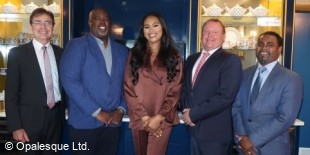
Led by a stellar key team of global art leaders such as the former Worldwide Chairman of Christie's, as well as investment and tech experts, Mintus is the first UK-regulated investment platform democratising access to art as an alternative asset through fractionalisation. The firm is also registered with the US Securities and Exchange Commission.
Speakers:
Bevan Duncan, COO, Mintus
Vedat Mizrahi PhD, CFO, Mintus
When: Wednesday, April 26th at 11 am ET
Free registration: www.opalesque.com/webinar/
|





 RSS
RSS