|
Matthias Knab, Opalesque: Neuberger Berman writes on Harvest Exchange:
It's no secret that foreign inflows into U.S. fixed income markets have been an important source of demand for mortgages, investment grade credit and high yield securities over the past several years. The Bank of Japan's (BoJ) zero interest rate policy and the European Central Bank's (ECB) negative interest rate policy have helped increase the relative attractiveness of U.S. fixed income for non-U.S. investors.
What's perhaps less apparent is that, for non-U.S. investors, evaluating U.S. fixed income is not as simple as comparing U.S. yields to domestic yields. In our experience, most evaluate U.S. fixed income on a currency-hedged basis and then implement a currency hedge when they invest. That currency hedge can result in significant changes in the economics of foreign bond investing.
As our colleague Vivek Bommi noted two weeks ago on the spread differential between euro-denominated and U.S. dollar-denominated high yield bonds, this is a particularly important subject right now.
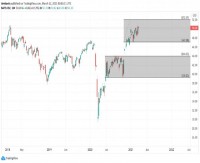
Currency-Hedged Credit Yields at Multiyear Lows
Its impact is felt well beyond the high yield markets. Relatively low U.S. yields, tight credit spreads, expectations for additional Federal Reserve hikes in 2018 and the potential fallout from the Fed's recently announced balance sheet reduction plan are co...................... To view our full article Click here
|