Currently: Long Looking to: Sell @ 4,118.75
As of 3/21/21 @ 7:58pm EST: 3,896
LAST WEEK: We suggested buying dips to 3,875 with stops on a close below 3,840 and with a target for selling longs / getting short at 4,118.75.
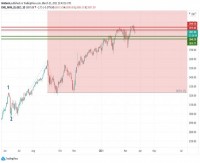
UPDATE: S&P futures had a terrible day Thursday and limped into the weekend. Right now, we put possible short-term ceilings at 3,918 or 3,950. If 3,918 holds as short-term resistance, we will look for a dip in the ES futures to 3,818 – 3,820. If 3,950 is tested and holds as resistance instead, we will look for a dip to 3,848 – 3,850 to follow. After this bounce and subsequent dip, we will be buying S&P futures aggressively (unless evidence presents itself that forces us to change our opinion) near one of those support levels.
We would look to buy dips to either 3,849 or 3,818.50 with stops honored on a close below 3,847 and 3,815, respectively. The upside target for either entry will be 4,119. NO SHORTING RIGHT NOW!





 RSS
RSS