|
|
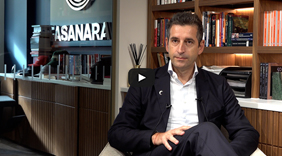
Bailey McCann, Opalesque New York: New research from Connecticut-based credit specialist Marinus Capital shows that the wave of deleveraging and regulation that followed the financial crisis is creating unintended consequences for financial markets. The paper looks at the real consequences of experiencing and reacting to debt super cycles in the economy which can span 30 years.
"This is a follow up to some of my previous work, there's a myth that the G7 has seen massive deleveraging and that's just not totally true," explains research author and Senior Strategist at Marinus Capital Advisors, Sam DeRosa-Farag in an interview with Opalesque. "We haven't mitigated the risk in the system, we've just transferred the risk from leverage to liquidity. Risk in the system does not go away, it just gets transformed. In many ways there's more alpha derived from this transformation, because the market is much less efficient now."
In a recent paper, DeRosa-Farag examines how leverage cycles rarely run together. For example, financials have continued their effort to deleverage while renewed CEO confidence and advantageous financing is causing leverage to tick up in corporates. Additionally, households are at an inflection point after shifting from a position of broad deleveraging back to using leverage. All of these moves are set against a back drop of government intervention into markets through quantitative easing and regulation.
"In retrospect, the...................... To view our full article Click here
|
|