|
|

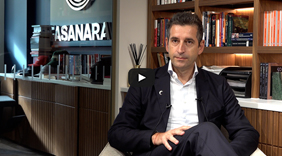
Jonathan Kanterman From Kirsten Bischoff, Opalesque New York:
Since the onset of the financial crisis midway through 2007, high frequency trading (HFT) has been put forth multiple times as an uncontrollable, evil force exacerbating volatility in the markets. However, it wasn’t until the “flash crash” of May 6th 2010, that HFT felt the full spotlight of the public’s attention.
Is the sudden fascination with HFT an indication of near market saturation? It isn’t likely. HFT continues to be gaining popularity in the US and its reach is fast extending around the world. However, it is likely that as the markets become places run by algorithms, the value of “the human factor”, a past necessity for successful trading, is liable to return.
Right now, the street is not recognizing the value aded of relationships, observed Jonathan Kanterman, Managing Director at Stillwater Capital at the Algorithmic Trading Strategies Summit held in New York City last week. Kanterman, who spoke on the panel “The Next Generation of Algorithmic Trading”, said that ultimately the rising popularity of HFT will find everybody in the same trades, leading to inefficiencies and increased risk. He predicted that at some point the HFT “black box” model will drive trading strategies, but managers will also need to depend on a “human overlay” which will inflate the value of having established relationships.
Has HFT jumped the shark?
A US term, often used in discussing media fare such as televisi...................... To view our full article Click here
|
|





 RSS
RSS