

 RSS
RSS
|
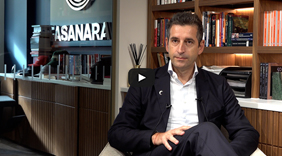
Opalesque Industry Update – Hugh Hendry, the outspoken CIO of London-based hedge fund house Eclectica Asset Management, last week published a letter in Telegraph.co.uk entitled :“We hedge fund managers are on your side” (here), where he explained why the public should not hate hedge funds. His opening statement summed it all: “You don't know me; we've never met. But I fear you are being encouraged to dislike me. Let me explain: I'm a speculator. I manage a hedge fund. Apparently I profit from your misery. Accordingly, our political leaders are keen to see the back of me.” He dismissed what he described as the “vastly overstated size and significance of the hedge fund industry,” which controls just 2.5% of the total global financial assets under management. Managers of pension funds, unit trust and banks have the ability to move prices and markets, not hedge funds. But these sectors are “on much better terms with our political masters,” he said. Hendry, who has 18 years of industry experience and who once managed $1bn in European equity portfolios at Odey Asset Management, added that hedge funds do not have the monopoly on making money. “I am not guaranteed success; far from it,” he said. He explained that short selling actually helps the public “to discover and identify inadequacies of the poor businesses… During hard times, such businesses typically go bust, allowing us to make an investment profit by betting on that eventuality, and ensuring that successful and prudently managed businesses prosper,” he said. Hendry’s comments are interesting, said Businessinsider.com, especially since he is known not to care about what people think of him or his business.
Demonization of hedge funds returns But the global economic collapse in 2008 and early 2009 saw the most regulated parts of the financial system (Fannie and Freddie, the monolines, the world's largest insurance company, the biggest banks, the most well known Wall Street firms, and the ratings agencies) suffering huge losses except for hedge funds. One of the signs of demonization can be seen in the U.S., where the government recently ordered hedge funds to keep trading records related to the euro currency as part of an ongoing investigation into short selling activities on the euro. By publicly revealing this order, the government is in effect telling hedge funds not to profit from any overvalued situations, such as the Greek debt crisis, a blogger commented. New regulations curbing the industry are currently in the works on both sides of the Atlantic. In Europe, the AIFM Directive’s draft was introduced in Apr-09 in response to the credit crisis with the aim to drastically curtail the activities of alternative investment funds – as they were thought to carry systemic risk. The draft gave rise to strong reactions from the financial community, especially from London (and last week from the U.S.). Its final review should be approved very soon.
Hendry slams AIFM directive His firm, Eclectica Asset Management reportedly trebled profits to £8.5m (US$12.8m) in the 2008/9 year, partly thanks to the performance of his flagship macro fund, which recently posted $60m in net inflow since December because of his bet against the euro.
Hendry’s Eclectica fund and his new Absolute Macro fund are positioned to benefit from two great threats, namely a general flight from risk assets and a crisis in the eurozone, reported CityWire.co.uk last week. Hendry takes strong top down macro views and believes that the vast accumulation of debt in developed economies will have significant long term negative repercussions for global financial markets, the article said.
|
Industry Updates
Hugh Hendry defends hedge fund industry in public letter: ‘We are on your side’
Monday, March 15, 2010
|
|