|
Laxman Pai, Opalesque Asia: Many quantitative firms have suffered substantial losses as a result of the COVID-19 selloff.
In this note, Prof. Alexander Lipton and Marcos Lopez de Prado highlight three lessons that quantitative researchers could learn from this episode.
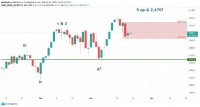
The Standard and Poor's 500 index on February 19 reached an all-time close level at 3393.52. On March 24, 2020, when the note was published, the index has suffered a 35% drawdown in a little over a month, and, after an unprecedented 2 trillion intervention, is 24% below its peak.
Many quantitative firms have suffered substantial losses, even in the equity market neutral space.
The study highlights lessons we can learn amid this crisis:
1. More nowcasting, less forecasting
Traditionally, quant strategies have focused on forecasting prices, based on price time-series dynamics (e.g., stat arb), or based on cross-sectional data (e.g., factor investing).
The point in case is that days before the COVID-19 selloff started, there were plenty of warning signs that the virus was disrupting critical supply chains in China. This selloff may have been a Black Swan to market forecasters, but to market nowcasters, it was a predictable outcome. It is time for quants to pay less attention to crystal balls and add nowcasting to their arsenal.
2. Develop theories, not trading rules
It is common for academics and practitioners to runs tens of thousands of backtests to identify a pr...................... To view our full article Click here
|





 RSS
RSS